
Key Takeaways
Building contracting works best when the parties establish clear scope, responsibilities, cost controls, and communication practices before work begins. A well-managed project then uses those agreements to guide decisions as conditions change.
- Choose a contract structure that fits how well the scope is defined and how cost uncertainty will be handled.
- Put deliverables, materials, workmanship expectations, and responsibilities in writing.
- Tie payments and schedule updates to clear project records and agreed milestones.
- Check local licensing, insurance, permits, and code requirements before construction starts.
- Monitor quality and progress throughout the work, then resolve deficiencies before closeout.
What building contracting involves
Building contracting is the process of organizing and carrying out construction under an agreement between a client and a contractor. The contractor typically coordinates the work of trades, suppliers, and other project participants, while the client sets objectives and makes decisions that affect scope and budget. The details vary with project size, delivery method, and local rules.
How building contractors coordinate labor, materials, and schedules
A contractor turns project documents and client decisions into a sequence of work. That means arranging labor and subcontractors, ordering materials, coordinating site access, and tracking progress against the agreed schedule. Coordination is ongoing: a late delivery or a design clarification can affect several trades, so timely communication helps limit disruption.
The contractor’s role is not simply to keep people busy. The work also involves checking that activities are ready to proceed in a sensible order and that participants understand what must happen next. On complex projects, sequencing and temporary works require particular attention; INTEGRA Consulting Services provides construction sequence advisory and temporary works design as documented services for demanding project environments.
How contractors differ from architects, construction managers, and subcontractors
An architect generally develops design documents and may provide design-related services during construction, while a building contractor is responsible for carrying out the contracted work. A construction manager’s role depends on the agreement: the person may advise on planning and coordination, or take on broader responsibilities. A subcontractor, by contrast, performs a defined portion of the work under an agreement with the contractor or another party.
Titles alone do not settle responsibility. The contract should say who coordinates trades, who communicates design questions, who obtains approvals, and who is responsible for particular work. A general explanation of general contractor responsibilities can help readers distinguish site coordination from the specialized work performed by each trade.
Which project types commonly use building contractors
Building contractors work on many kinds of projects, including new homes, renovations, commercial buildings, and larger developments. The scale changes the coordination demands: a small renovation may center on a handful of trades and occupied-space constraints, while a high-rise or infrastructure project may involve many interfaces, detailed staging, and extensive review.
For a larger project, owners should match the contractor’s experience and proposed organization to the work’s complexity. A local directory of building contractor options can be one starting point for research, but references, relevant experience, and a close review of the bid remain essential.
Choosing a building contract structure
The contract model determines how the project is priced, how design and construction responsibilities are divided, and how changes are handled. No structure removes uncertainty; it allocates it differently among the parties. Compare the model with the project’s level of definition, the client’s decision-making capacity, and the risks that matter most.

How fixed-price contracts handle scope and cost
A fixed-price contract sets a price for a defined scope of work. It can make the starting cost easier to understand, but it does not mean every possible condition or change is included. The documents should identify what the price covers, what is excluded, and how additions or changes will be priced.
This model is most meaningful when the scope is sufficiently developed for contractors to estimate the same work. If important design choices remain open, allowances and exclusions can become significant. A fixed price is therefore a commitment tied to the agreed documents, not a guarantee that the total project cost cannot change.
When time-and-materials or cost-plus contracts may fit
Time-and-materials arrangements generally charge for labor and materials according to the contract’s stated rates and rules. Cost-plus arrangements reimburse defined project costs and add a fee or other agreed compensation. These approaches may suit work with uncertain conditions or scope that cannot be fully specified at the outset, but the owner needs a clear way to review costs.
The contract can make the distinctions among common approaches easier to compare:
| Structure | Cost basis | Useful consideration |
|---|---|---|
| Fixed price | Agreed amount for defined work | Scope and exclusions need careful definition |
| Time-and-materials | Recorded labor and materials | Rates and documentation should be clear |
| Cost-plus | Defined costs plus agreed compensation | Cost review and approval procedures matter |
The table is a starting point, not a substitute for contract language. In each model, clarify how overhead, fees, allowances, and changes are treated before signing.
How design-build and design-bid-build affect responsibility
In design-build, the client generally contracts through a structure that brings design and construction responsibilities together, though the precise allocation depends on the agreement. In design-bid-build, design and construction are typically procured in separate stages, with design documents used to obtain construction bids. Each method can work; the key difference is how the project organizes responsibility and communication between design and construction.
Owners should examine how questions, revisions, and approvals will move between participants. For technically demanding work, independent review can be a distinct part of the project’s governance. INTEGRA Consulting Services provides independent third-party design checking as an accredited checker; that is a defined service, separate from the contractor’s obligation to perform the contracted work.
What to consider when choosing a contract model
Start with the decisions the owner can make before procurement. A complete scope may support a more direct price comparison, while unresolved conditions can make an open-book or reimbursable approach more practical. Also consider who will manage day-to-day coordination, how quickly decisions can be made, and what cost records the owner expects to receive.
Before settling on a structure, compare proposals on a consistent basis and ask how each handles exclusions, change requests, and schedule impacts. A contractor selection guide offers a useful companion to this comparison, particularly when reviewing qualifications and bid terms. The right choice is the one whose responsibilities and controls match the project, rather than the model with the most appealing label.
Defining project scope and responsibilities
A contract can only guide performance if it describes the work clearly enough for the parties to share the same expectations. Scope should connect drawings, specifications, schedules, and commercial terms rather than leaving each document to be interpreted in isolation. Good definition does not prevent every disagreement, but it makes decisions easier to trace back to an agreed basis.
How to document deliverables, materials, and workmanship standards
Describe what must be delivered, where it will be installed, and what completion means for each major part of the work. Identify materials by relevant type, grade, finish, or performance requirement where the project documents call for that level of detail. Workmanship expectations should be stated in measurable or otherwise reviewable terms, not left to assumptions about what is “standard.”
Records also need to be usable during construction. The team should know which document is current, who can issue revisions, and how field questions are answered. A consistent document trail is especially useful when several parties review or approve the same work.
How to assign responsibilities among owners, contractors, and subcontractors
Responsibilities should be assigned to named roles or parties, with decision authority made clear. The owner may provide access, make selections, and respond to requests; the contractor may coordinate the contracted work; subcontractors may perform specific trades. The contract and related documents should show where those duties begin and end, including who communicates issues across the interfaces.
A responsibility matrix can help expose gaps before they become site problems. It is also worth making clear who can authorize additional work and who is permitted to direct a subcontractor. Where project governance is complex, INTEGRA Consulting Services offers project risk management, a documented service that can support a methodical approach to identifying and managing project risks.
How plans, specifications, and allowances affect expectations
Plans show the intended arrangement and dimensions of work, while specifications describe requirements that may not be evident from a drawing alone. Allowances set aside a stated amount for items that have not been fully selected or priced. Because an allowance is not necessarily a final cost, the contract should explain how selections, differences, and approvals will be handled.
The documents should also establish what takes precedence if information conflicts. For finishes, equipment, and other selections, record the decision and the applicable version of the project documents. That small discipline helps prevent an early estimate from being mistaken for a final specification.
How to manage scope changes through written change orders
Changes are normal in construction, but informal instructions can blur the original agreement. A written change order should identify what is changing, why it is changing, any price adjustment, and the effect on timing. The parties should also state who may approve the change and whether work can proceed before final pricing is resolved.
A simple process keeps the record usable as the project moves forward:
- Describe the requested change and the affected contract documents.
- Request a written assessment of cost, schedule, and any related impacts.
- Confirm approval by the person authorized to make the decision.
- Distribute the approved change to the people responsible for carrying it out.
Keep the change order with the current contract documents and update the relevant cost and schedule records. That way, the team can distinguish approved scope from discussion or preliminary pricing.
Understanding costs, payments, and schedules
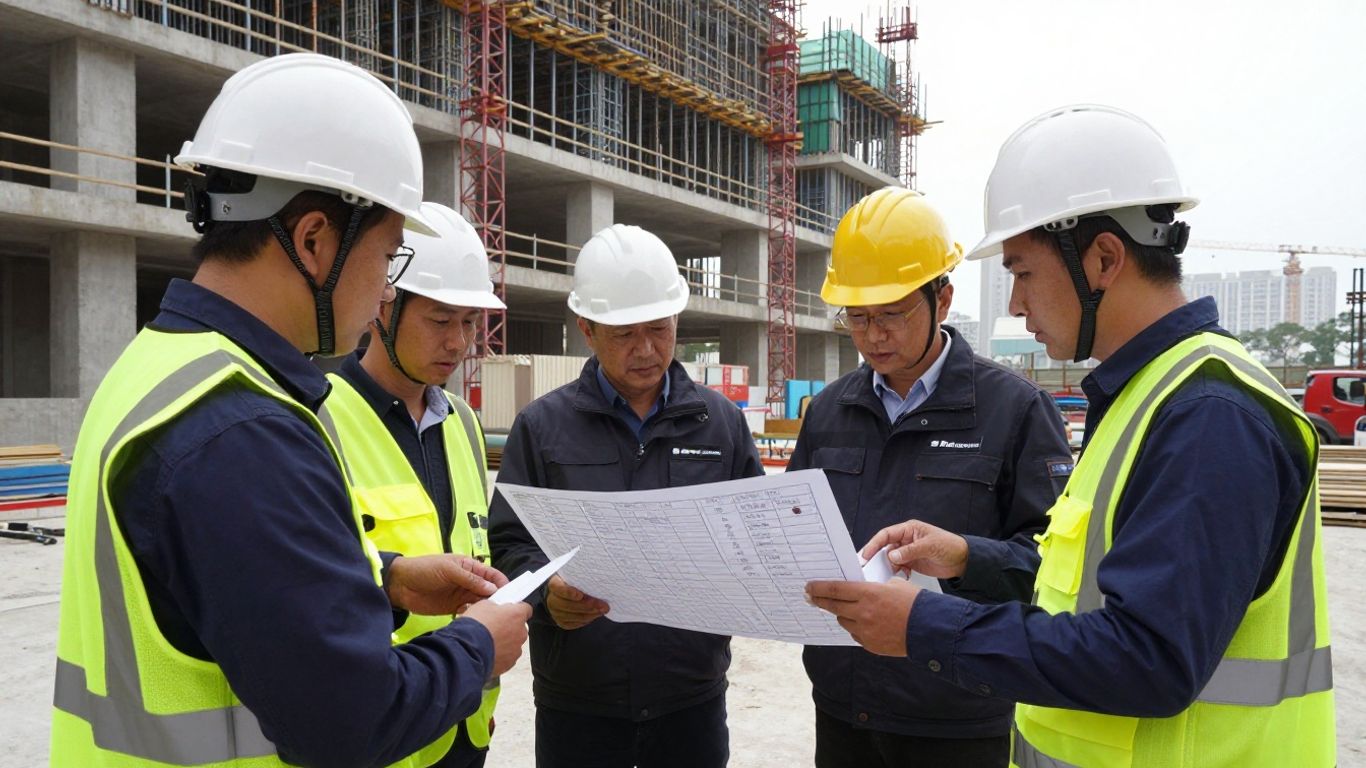
Project cost and time are connected: a change in one can affect the other, and both depend on timely decisions and reliable information. Owners should look beyond the headline contract amount to understand what is included, what remains uncertain, and how payments are earned. A practical budget and schedule are living records that need to be updated as the project develops.
How to build a realistic construction budget
A useful budget starts with the defined scope and the best available pricing for that scope. It should distinguish the construction contract from other project costs, such as design, approvals, site-related work, and owner-selected items where applicable. Set aside a contingency appropriate to the project’s uncertainties, and make clear what it is intended to cover.
Avoid treating an estimate as a fixed commitment when key decisions or site conditions remain unknown. Track assumptions and exclusions alongside the numbers, then revise the forecast when the project receives new information. That makes the budget more useful as a decision tool, not just a figure to revisit after an overrun.
How payment milestones and retainage typically work
Payment terms can be based on completed milestones, measured progress, or another agreed method. The contract should identify what evidence supports an invoice, when it is due for review, and how disputed amounts are addressed. Retainage, when used, holds back an agreed portion of payment until specified conditions are met; its use and terms depend on the agreement and applicable rules.
A clear payment process helps both sides plan cash flow and confirm the status of work. Keep invoices, approvals, and any supporting records together, and make sure the contract explains what must happen before retained amounts are released. Do not assume that a payment schedule by itself establishes whether work is complete or acceptable.
How permits, inspections, and material lead times affect schedules
A schedule should account for activities beyond the physical installation of work. Permit review, required inspections, design clarifications, procurement, delivery, and access can all influence when a task can start or finish. The actual sequence depends on the project and local authority requirements, so build in time for coordination rather than treating these steps as afterthoughts.
The project team should identify long-lead items early and assign responsibility for submittals, selections, and approvals. Track those items against the work that depends on them. When a date moves, understanding the cause helps determine whether other tasks can proceed or whether the project sequence needs to change.
How to track delays and document schedule adjustments
A baseline schedule gives the team a shared reference for planned activities and key dates. Record actual starts and finishes, note constraints, and document the cause of material delays while details are still fresh. When the schedule changes, identify the affected activities and communicate the revised expectations to the relevant parties.
Updates should explain what changed, what remains on track, and whether a decision or action is needed. Preserve supporting records such as delivery updates, inspection results, and written instructions where relevant. A clean record helps distinguish a revised forecast from a change to the contract itself.
Managing legal requirements and project risks
Construction requirements are not uniform across jurisdictions, and the relevant rules may depend on the type and location of the work. Owners and contractors should confirm obligations with the appropriate local authorities and qualified professionals rather than rely on assumptions from another project. Contracts also allocate practical risks, so their legal and commercial terms deserve careful review before work begins.
How licensing and insurance requirements vary by location
Licensing requirements may depend on the jurisdiction, the contractor’s role, and the type or value of work. Insurance requirements also vary by project and contract, so the parties should verify what coverage is required and what evidence must be provided. A license or certificate alone does not establish that a contractor is suited to a particular project.
Check requirements with the relevant licensing authority and confirm that names, scope, and dates align with the planned work. For example, Florida publishes information on construction license requirements, including continuing education details; requirements elsewhere may differ. This is a reminder to check the rules that apply to the project’s actual location.
How building codes and permit conditions shape the work
Building codes and permit conditions can affect design decisions, construction methods, inspections, and records. The project team should establish which approvals are needed, who will seek them, and how permit conditions will be communicated to the people doing the work. If an authority requires a revision or additional information, document the response and any resulting scope or schedule effect.
Code compliance is not a substitute for clear contract administration. The agreement should identify who is responsible for obtaining approvals and who coordinates inspections, while the team keeps current documents available on site. Confirming local requirements early can reduce avoidable rework.
How bonds, warranties, and indemnity provisions protect parties
Bonds, warranties, and indemnity provisions address different kinds of exposure, and their effect depends on their wording and applicable law. A bond may provide a defined form of security; a warranty states commitments about specified work or products; an indemnity clause allocates certain liabilities between parties. None should be treated as interchangeable or assumed to cover every possible loss.
Review who is protected, what conditions apply, how claims must be made, and for how long obligations continue. These terms should be considered alongside insurance and the project’s risk profile. Obtain legal advice when a clause or its consequences are unclear.
How to reduce disputes with clear records and communication
Disputes are less likely to grow when decisions, instructions, and approvals can be found in a dependable record. Set a routine for meeting notes, requests for information, site observations, submittals, and change decisions. Establish who receives each communication and how quickly a response is expected, especially when a decision affects work in progress.
Plain language matters in formal documents as well as in day-to-day records. A privacy notice and terms and conditions are examples of documents that explain information handling and user obligations in other settings; construction agreements likewise benefit from clearly stated roles and procedures. The comparison is about clarity, not a substitute for construction-specific contract terms.
Overseeing construction through completion
Once work begins, oversight turns the agreement into a practical control for quality, progress, and coordination. Owners should know how observations will be recorded, how issues will be assigned, and how decisions will reach the people doing the work. Regular review is most effective when it is based on current documents and a consistent record of what has occurred.
How to monitor quality, progress, and safety on site
Monitoring can include site observations, review of progress against the schedule, and confirmation that the work is being carried out in line with applicable documents and requirements. Define who performs each review and how findings are reported. Site safety responsibilities should be addressed through the project’s applicable procedures and agreements, not assumed from a general progress report.
For major projects, the owner may require a clear reporting cadence and a process for escalating issues. INTEGRA Consulting Services provides construction supervision, a documented service that matches the topic of overseeing work during delivery. Whatever the arrangement, observations should be recorded promptly and followed through to resolution.
How to handle deficiencies and disagreements during construction
When a potential deficiency appears, document its location, observed condition, and relevant drawing or specification. Give the responsible party a clear opportunity to review and respond, and record the agreed corrective action and timing. If the issue is disputed, use the contract’s communication and escalation procedures rather than relying on informal conversations alone.
Separate observations from conclusions. A dated record of what was seen, who was notified, and what response followed gives the team a firmer basis for deciding next steps. Avoid authorizing extra work or accepting a proposed fix without confirming its scope and approval path.
How inspections and punch lists prepare a project for handover
Required inspections and owner reviews help establish whether work is ready for the next stage or for use, subject to applicable requirements and contract terms. A punch list records remaining or deficient items, assigns responsibility, and sets out a process for verifying completion. It should be specific enough that the contractor and owner can agree on what will close each item.
Keep the list current and distinguish outstanding corrective work from documentation or training still due. A final walkthrough can confirm visible conditions, but it does not replace any required authority inspection or contractual verification. The handover process should make clear which items remain open and how they will be tracked.
What to review before final payment and closeout
Before final payment, review the contract’s closeout conditions and confirm that required work and documentation have been addressed. Depending on the agreement, this may include completed punch-list items, inspection records, warranties, operation information, or other deliverables. Confirm the status of approved changes and reconcile the final account against the payment record.
Closeout should leave both parties with a clear record of completion and any remaining obligations. Resolve questions about incomplete work, retained amounts, or outstanding documents under the contract’s stated process. Keep final records accessible so the owner can refer to them after the site team has moved on.
Conclusion
Building contracting is easier to manage when expectations are written down, responsibilities are clear, and project decisions leave a reliable record. Choose a contract structure that fits the work, keep cost and schedule information current, and maintain steady oversight through handover. These habits cannot remove every uncertainty, but they give owners and project teams a sounder basis for dealing with it.
Frequently Asked Questions
What does building contracting mean?
Building contracting is the arrangement through which a contractor undertakes defined construction work for a client under agreed commercial and project terms. The agreement typically sets out scope, price or pricing method, schedule, responsibilities, and procedures for changes.
What should a building contract include?
A building contract should clearly identify the parties, scope, project documents, payment terms, schedule expectations, responsibilities, change process, and procedures for handling disagreements. The relevant details depend on the project and local requirements.
Which contract structure is best for a construction project?
There is no single best structure for every project. The choice depends on how complete the scope is, how uncertainty will be managed, and how the parties want to divide design, construction, cost, and coordination responsibilities.
How can an owner compare contractor bids?
Compare bids against the same scope and project documents. Review inclusions, exclusions, allowances, schedule assumptions, qualifications, and change terms, and ask bidders to clarify differences before selecting a proposal.
How do change orders work?
A change order records an approved revision to the contracted work. It should describe the change and explain any agreed price or schedule adjustment, with approval from the person authorized under the contract.
Why do construction schedules change?
Schedules can change because of design decisions, approvals, inspections, material availability, site conditions, or other project constraints. Documenting the cause and effect of a delay helps the parties understand the revised plan and decide what action is needed.
What should be checked before final payment?
Review the contract’s closeout requirements, the status of incomplete or corrective work, approved changes, required documentation, and any retainage terms. The agreement and applicable rules determine the specific conditions for final payment.