
Key Takeaways
Construction project management brings scope, people, time, cost, quality, and risk into a coordinated plan. Strong delivery depends on clear decisions and steady communication from early definition through handover.
- Define the project’s requirements, boundaries, and measurable deliverables before work begins.
- Build the schedule and budget from realistic assumptions, then use them as working baselines.
- Coordinate owners, designers, contractors, and suppliers through clear roles and reliable records.
- Track quality, cost, and progress together; approved changes should be reflected in the plan.
- Use technology that fits the project and team, while keeping decisions and accountability clear.
What construction project management involves
Construction project management organizes the work required to turn a defined need into a completed, usable asset. It connects technical decisions with budgets, schedules, people, procurement, and the conditions on site. The work is continuous: decisions made early can affect safety, cost, and buildability much later.
How it differs from general project management
Construction shares familiar project management concerns—scope, resources, deadlines, and decisions—but adds a physical worksite and a sequence of interdependent design and building activities. Teams must coordinate work that may depend on permits, access, deliveries, inspections, and the completion of preceding trades. A design decision is not simply a document milestone; it can change what can be built, when, and under which site conditions.
That is why construction project management keeps attention on both the plan and the changing reality of the site. The manager has to connect technical requirements to practical work packages, while recognizing that a delay or change in one area may affect several others.
Who is involved and what they do
The owner or developer sets the project need, approves key decisions, and provides the resources and direction. Designers develop the plans and technical requirements; contractors and trade partners organize and perform the work. Authorities, suppliers, inspectors, and future operators may also shape requirements, timing, and acceptance.
Responsibilities should be explicit, especially where one party’s decision becomes another party’s work. For example, the designer may define a technical requirement while the contractor identifies sequencing or access constraints that affect how it can be delivered. Bringing those perspectives together early helps reduce avoidable rework.
The project manager’s responsibilities
A project manager maintains the connection between the approved objectives and day-to-day delivery. That includes clarifying decisions, coordinating inputs, monitoring progress, recording changes, and raising issues while there is still time to respond. On complex developments, the role also requires attention to design interfaces and construction sequence, not just status reporting.
For projects that need independent technical review, INTEGRA Consulting Services provides accredited checker services and construction supervision. These documented services address the design-to-construction interface in high-stakes building and infrastructure work; the project’s owner and delivery team still retain their defined responsibilities.
How success is measured
A project is not successful simply because crews have finished their assigned tasks. The result should meet the agreed scope and quality requirements, satisfy applicable approvals, and be handed over in a condition the owner can operate and maintain. Progress, forecast cost, safety performance, quality findings, and unresolved decisions all give the team a more complete picture.
A compact set of measures can help the owner and delivery team distinguish activity from results. The right measures depend on the project, but each should have an agreed definition, source, and review rhythm.
| Area | Useful measure | What it helps reveal |
|---|---|---|
| Scope | Approved deliverables completed | Whether the agreed work is being delivered |
| Time | Milestone forecast versus baseline | Whether key dates remain achievable |
| Cost | Forecast final cost versus budget | Whether spending assumptions need review |
| Quality | Open inspection or nonconformance items | Whether work meets specified requirements |
Reviewing these measures together matters. A schedule recovery that creates unreviewed quality concerns, for instance, does not represent a sound overall result.
The construction project lifecycle
A construction project moves through a series of connected phases, from defining the need to confirming that the finished asset is ready for use. Each phase produces decisions and information the next phase relies on. The order may overlap in practice, but skipping necessary definition or review can create expensive uncertainty downstream.
Feasibility and project definition
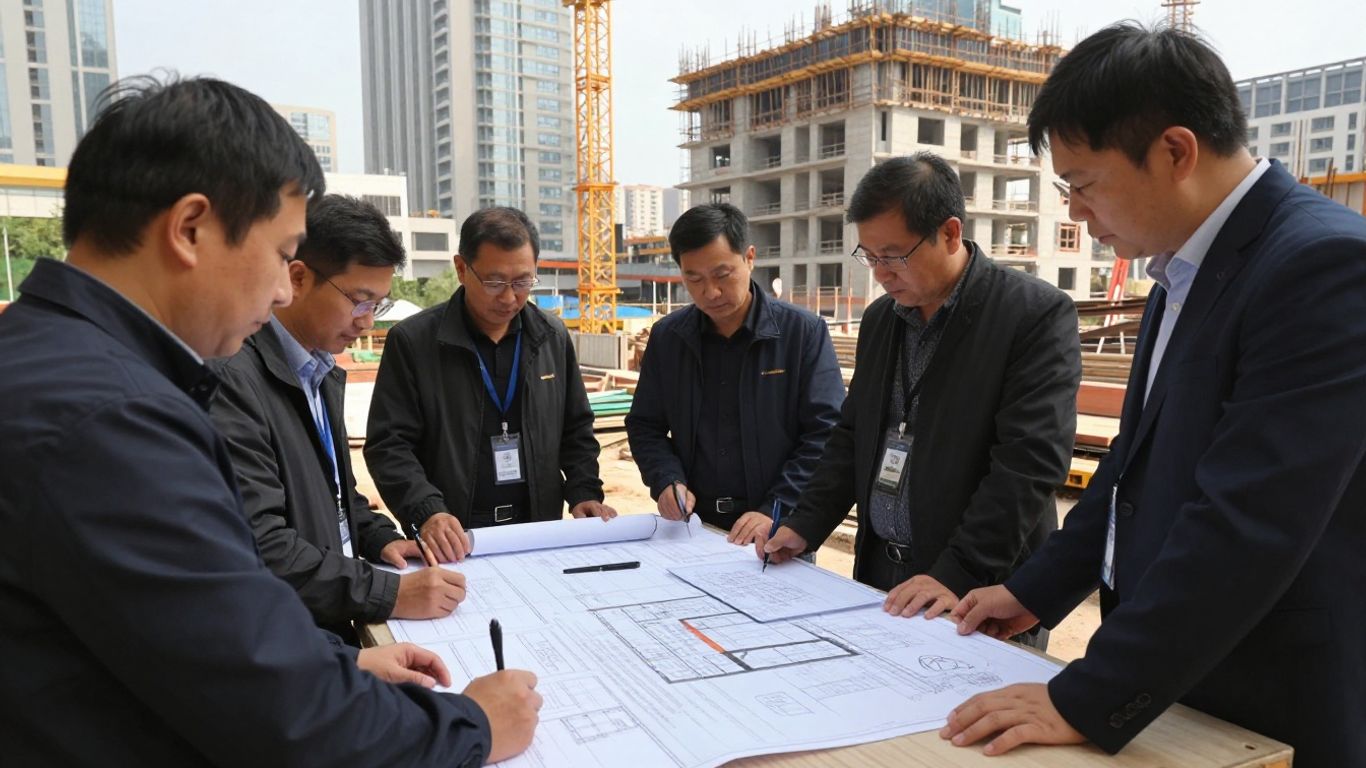
Feasibility work tests whether the project can meet its purpose within its constraints. The owner and advisers clarify the need, possible location, key performance requirements, likely approvals, and major risks. At this point, the team should also identify assumptions that need validation, such as site conditions, access, utilities, or operating needs.
A well-defined project gives later design and procurement work a stable reference. It need not resolve every detail, but it should make clear what success means and who is authorized to approve changes.
Design development and preconstruction
Design development turns the project brief into coordinated technical information, while preconstruction examines how that information can be procured and built. Constructability, temporary conditions, interfaces, access, and work sequence deserve attention alongside permanent design. For a photovoltaic installation, preconstruction planning can involve permits, technical plans, safety, logistics, and trade coordination.
On complex buildings and infrastructure, unresolved interfaces can carry significant consequences into the field. INTEGRA Consulting Services provides independent third-party design checking, as well as construction sequence advisory and temporary works design. These services fit the review and planning needs of this phase without replacing the project’s approvals or contractor planning duties.
Procurement and construction
Procurement converts the delivery strategy into agreements for labor, materials, equipment, and specialist work. Clear scopes, coordinated drawings, realistic lead times, and defined approval routes help reduce ambiguity once work begins. During construction, the team monitors progress and quality against those requirements while coordinating daily activity and responding to site conditions.
The construction phase is where decisions become physical work, so timely information is essential. The team should maintain a reliable record of instructions, approvals, inspections, and changes rather than relying on informal conversations to establish what was agreed.
Commissioning, handover, and closeout
Commissioning checks whether installed systems and completed work perform as intended, while handover prepares the owner to operate and maintain the asset. Closeout typically involves resolving remaining items, delivering required records and manuals, and confirming that responsibilities have been transferred. The exact acceptance process depends on the contract and the project’s governing requirements.
A thoughtful handover starts before the final weeks. When the team knows what records, demonstrations, approvals, and training are required, it can collect them as work progresses rather than reconstructing the project history at the end.
How to plan a construction project
Planning is the process of converting the project goal into a workable path for delivery. It requires enough definition to guide estimates and commitments, while recognizing that some details will mature over time. Clear assumptions and approval rules make the plan easier to update without losing sight of the original purpose.
Define scope, requirements, and deliverables
Begin by describing what the project must provide and what is outside its scope. Translate broad aims into measurable requirements, drawings, specifications, approvals, and acceptance conditions. A bathroom renovation, for example, may combine layout, durable materials, waterproofing, and minimizing disruption; bathroom remodel planning can help frame those concerns as project requirements.
The owner, designer, and contractor should understand how proposed changes will be reviewed and approved. Clear boundaries reduce misunderstandings, but they should not prevent legitimate changes when the owner’s need or verified site conditions require a different approach.
Build a realistic schedule
A useful schedule reflects dependencies, review periods, procurement lead times, site constraints, and the people and equipment available to perform the work. It should distinguish fixed commitments from working assumptions, and show which milestones govern other activities. Avoid treating every task as if it can happen independently.
For a first planning pass, organize the schedule around a few practical questions:
- What decisions or approvals must be complete before work can start?
- Which activities depend on long-lead materials or specialist trades?
- Where do inspections, access limits, or site logistics affect the sequence?
- Which milestones need contingency because their dates have little flexibility?
This sequence makes schedule discussions more concrete. As design and procurement mature, update durations and dependencies with the people responsible for the work, rather than changing dates to make the plan appear more certain.
Estimate costs and set a budget
An estimate should reflect the defined scope, current design information, procurement assumptions, site conditions, and project risks. The budget should also make clear how contingency is treated and who can authorize its use. Where information is incomplete, label the assumption and identify when it must be checked.
Quotes are easier to compare when they use consistent scope and exclusions. For home renovation work, resources on contractor quote comparisons discuss budgets, transparent quotes, and checking contractor credentials. On larger projects, the same underlying discipline applies: align the scope, allowances, exclusions, and commercial terms before treating competing numbers as comparable.
Choose a delivery method and contract strategy
The delivery method determines how design and construction responsibilities are organized, while the contract strategy defines how work, payment, risk, and changes are governed. The owner should consider project complexity, schedule priorities, design maturity, market capacity, and the desired level of control. No single arrangement removes the need for clear requirements and active coordination.
Before commitments are made, confirm who can issue instructions, how changes are priced and approved, and what records are required. The strategy should fit the project’s risk allocation and the team’s ability to manage interfaces, rather than being selected solely because it is familiar.
How to manage costs, time, and quality
Cost, time, and quality are connected controls, not separate scorecards. A change in one can affect the others, so the team needs a shared baseline and a reliable way to assess variance. Frequent, candid reviews give decision-makers more options than waiting until a missed milestone or budget limit becomes unavoidable.
Track progress against the baseline
The baseline is the approved reference for scope, schedule, and budget. Compare actual progress and current forecasts against it at agreed intervals, and record why a variance has occurred. A status report should distinguish completed work from work merely started, and should identify the decisions or constraints affecting the next milestones.
For a coherent review, teams can use a small set of consistent records:
| Record | Review question | Typical follow-up |
|---|---|---|
| Schedule update | Are key activities and milestones on track? | Confirm logic, constraints, and recovery options |
| Cost forecast | What is the expected final cost? | Recheck commitments, changes, and contingency |
| Inspection log | Are required checks complete and findings closed? | Assign owners and due dates for open items |
| Decision register | Which decisions remain unresolved? | Set an approver and response date |
Used together, these records help the project manager see whether a variance is isolated or part of a larger pattern. Keep the baseline visible, but revise it only through the agreed approval process so that changes do not erase the history of performance.
Control changes and prevent scope creep
A change request should identify what is changing, why it is needed, and its likely effects on cost, schedule, quality, and risk. The project team can then advise the authorized decision-maker before the instruction becomes work. Documenting both approvals and rejected proposals avoids uncertainty about what the team is expected to deliver.
Scope control is not a refusal to adapt. It makes the trade-offs explicit and ensures that approved changes are incorporated into drawings, schedules, budgets, and procurement information consistently.
Inspect work and manage quality standards
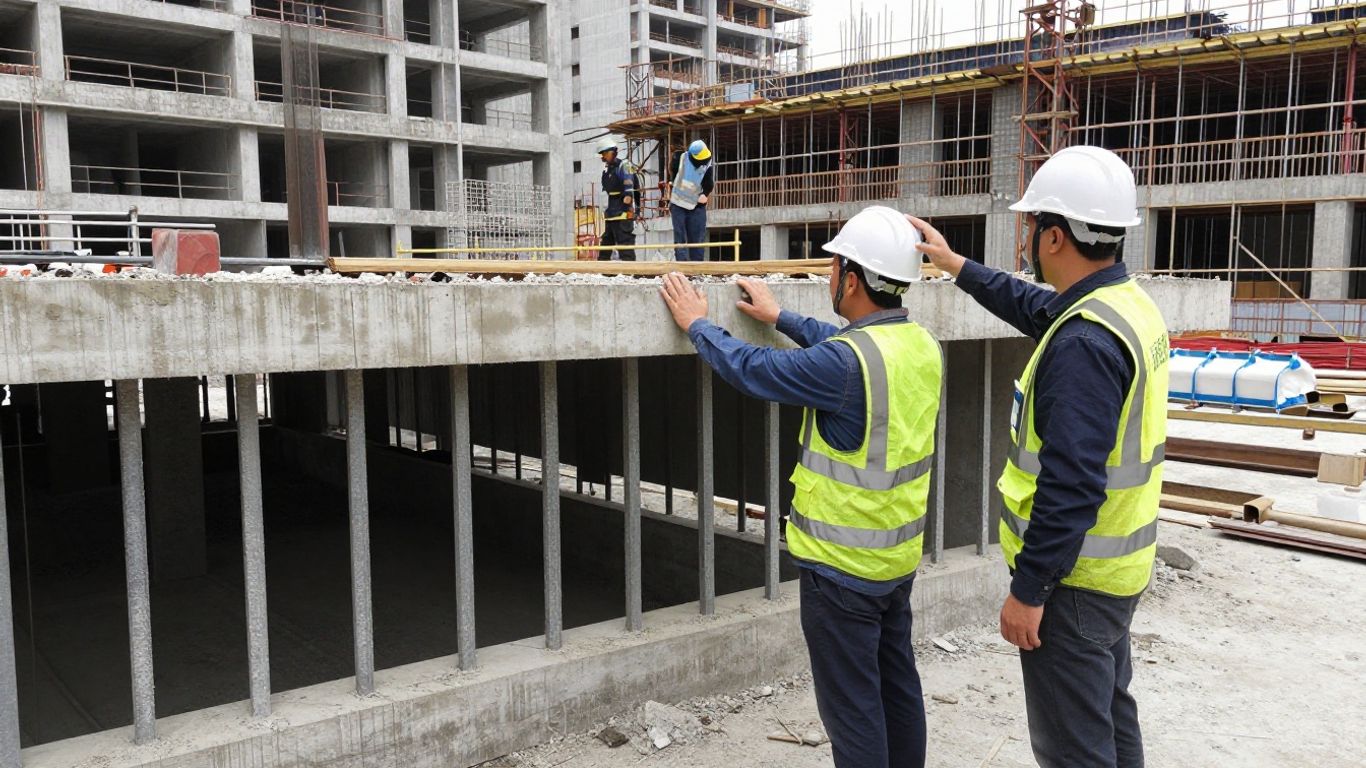
Quality begins with clear requirements and inspection criteria, then continues through verification at the right stages of work. The responsible parties should know what must be inspected, what evidence is required, and how findings will be corrected and closed. Checks should happen before work is concealed or a later activity makes access difficult.
A completed inspection is not just a form in a file; it is evidence that the work was checked against defined requirements. When a finding appears, assign an owner and due date, document the resolution, and consider whether the issue points to a broader process problem.
Respond to delays and cost overruns
When a forecast changes, first establish the cause and the activities affected. Then evaluate response options with the people who understand the work, including the effect on quality, safety, procurement, and contractual commitments. Recovery plans should specify what will change, who is responsible, and how the team will know whether the response is working.
Do not confuse optimism with a forecast. An early, evidence-based escalation gives the owner a chance to choose among trade-offs; a late report may leave few practical options beyond accepting the impact.
How to coordinate teams and manage risk
Construction brings together organizations with different responsibilities, information, and working rhythms. Coordination gives them a shared view of decisions, interfaces, and constraints without blurring accountability. Risk management is part of that coordination: the team identifies uncertain events, considers their effects, and assigns practical actions before problems grow.
Keep owners, designers, and contractors aligned
Alignment requires more than periodic status meetings. Owners need timely information to make decisions; designers need feedback on requirements and interfaces; contractors need approved, buildable information and clear direction. Agree on who owns each decision and what information is needed before it can be made.
On complex developments, INTEGRA Consulting Services provides project risk management and construction sequence advisory. These services are relevant when stakeholders need structured attention to project risks and the implications of construction sequence; the project team should still agree on its own decision rights and escalation process.
Plan communication and document control
A communication plan establishes who needs which information, how often, and through what channel. Document control gives the team a dependable way to identify current drawings, instructions, meeting records, and approvals. Together, they reduce the chance that people act on different versions of a decision.
Keep the process usable in the field as well as the office. If a record is difficult to find or update, the team is more likely to rely on memory and informal messages, which can leave gaps in the project record.
Identify safety, site, and supply chain risks
Risk identification should consider hazards to workers and the public, site access, temporary conditions, utilities, weather exposure, material availability, and dependencies between trades. The team should assess both likelihood and consequence, then assign an owner and an action to each material risk. Regular reviews matter because site conditions and supply information change.
Good risk registers focus on decisions and controls, not just lists of possible trouble. For any major item, record what would trigger action and who is expected to respond. Early planning for photovoltaic work, for instance, may need to coordinate logistics and trade sequencing alongside permits and safety.
Resolve conflicts and escalate issues
Disagreements are easier to resolve when the team can refer to the approved requirements, records, and decision path. Address the issue with the people closest to the work first, clarify the facts, and record any resolution that changes scope or instructions. Escalate promptly when an unresolved matter threatens safety, a critical milestone, or a significant cost commitment.
The aim is not to avoid every conflict; it is to prevent unresolved questions from quietly becoming field assumptions. Clear escalation routes let the right people make decisions at the right level.
How technology supports construction project management
Technology can make project information easier to organize, find, and update, but it cannot replace sound planning or clear authority. The value comes from choosing tools that support the way the team actually works. First define the records and decisions the project needs to manage, then decide which tools can support them.
Use project management software for schedules and tasks
Project management software can provide a shared place to view tasks, dates, responsibilities, and status, depending on the tool selected. Before adopting it, agree on how activities are named, who updates them, and how changes to the schedule are approved. Otherwise, a digital plan may simply reproduce the gaps in an offline process.
Keep the schedule useful for both coordination and decision-making. Teams should be able to see important dependencies and upcoming approvals without mistaking an automatically updated display for a verified forecast.
Coordinate drawings and field updates
Drawing coordination depends on a clear revision process and a reliable connection between approved information and field use. Teams need to know which document is current, how questions are raised, and where responses are recorded. Mobile access may help people find information on site, but controls still need to protect the record from confusion between drafts and approved documents.
Some projects also use QR codes to connect physical assets with digital destinations. For example, Xcan.it describes creating and managing dynamic QR codes, updating destinations without reprinting, and tracking engagement. Whether such a tool fits a construction workflow depends on the project’s specific use and information requirements.
Track costs, labor, and materials
Digital records may help teams assemble cost, labor, and materials information for review. Their usefulness depends on consistent categories, timely updates, and clear responsibility for checking the information. A dashboard can surface a variance, but the project team still needs to understand its cause and decide what action is appropriate.
For projects that rely on material deliveries or specialist labor, connect procurement updates to the schedule where practical. That makes it easier to see which commitments could affect upcoming work and where the team should verify assumptions.
Evaluate tools for project size and team needs
Choose tools by looking at project complexity, team size, field connectivity, reporting needs, document controls, and the ability of participants to use the system. A small project may need a light process; a large, multi-party development may require more formal coordination and review. In either case, establish ownership for setup, access, training, and ongoing data quality.
Training can help professionals strengthen their project delivery skills; construction management education includes resources for early-career managers, experienced project managers, and aspiring project executives. Technology and training work best when they support clearly defined responsibilities and repeatable processes.
Conclusion
Construction project management is the steady work of turning requirements into coordinated decisions and completed construction. Define the project carefully, build a credible baseline, keep information and accountability clear, and respond to change with evidence. These habits help owners and delivery teams protect the project’s purpose from early planning through handover.
Frequently Asked Questions
What does construction project management include?
It includes defining scope, coordinating design and construction, managing schedule and budget, monitoring quality and risk, and preparing the completed asset for handover.
When should construction project management begin?
It should begin as soon as the project need is being defined, so feasibility, requirements, risks, and delivery assumptions can inform later decisions.
Who is responsible for construction project management?
Responsibility depends on the project and contract. Owners, project managers, designers, contractors, and specialist advisers each have defined roles that should be made clear at the outset.
What is a construction project baseline?
A baseline is the approved reference for project scope, schedule, and budget. The team uses it to assess progress and manage proposed changes.
How can a construction project stay on schedule?
Build a realistic schedule around dependencies, approvals, procurement, and site constraints, then review forecasts regularly and address emerging delays early.
How are construction project costs controlled?
Costs are managed through a defined scope, realistic estimates, tracking of commitments and forecasts, and a documented process for reviewing and approving changes.
Why is documentation important in construction projects?
Reliable records help teams work from current information, understand decisions, verify approvals, resolve questions, and complete handover with the necessary project history.